Vitiligo

Vitiligo

Vitiligo causes loss of skin pigmentation, creating visible white patches. While there is no permanent cure, early treatment can improve appearance. Our clinic offers advanced solutions—like melanocyte transplantation and skin grafting—designed to safely restore pigmentation and deliver natural-looking results.


Vitiligo – Understanding Skin Pigmentation Loss

A chronic skin disorder called vitiligo causes the skin’s natural color to fade, resulting in the formation of smaller macules (less than 5 mm) or pale white patches (greater than 5 mm). Any part of the body may get these patches, which may spread gradually over time and frequently become more noticeable because of the contrast with normal skin tone.

Lack of melanin, the pigment that gives skin its color, is the cause of the condition. This occurs when the skin’s pigment-producing cells, called melanocytes, are either killed or cease to function correctly. Although vitiligo is not communicable or fatal, it can have a significant impact on a person’s self-esteem and confidence, so prompt diagnosis and professional treatment are crucial.

Vitiligo treatment before and after

According to studies, vitiligo affects approximately 1% to 2% of people worldwide, regardless of race or ethnicity. The Indian subcontinent is said to have the highest prevalence, followed by places like Mexico and Japan.

People with darker skin tones tend to have more noticeable vitiligo, which is especially common in India. Almost any part of the body, including delicate places like the mouth and eyes, can lose its color. Nonetheless, the face, neck, hands, and natural skin folds are where it is most commonly observed. The hair in the afflicted area may occasionally turn white and lose its color as well.

June 25 is observed globally as World Vitiligo Day to raise awareness and provide support to those who suffer from the condition.

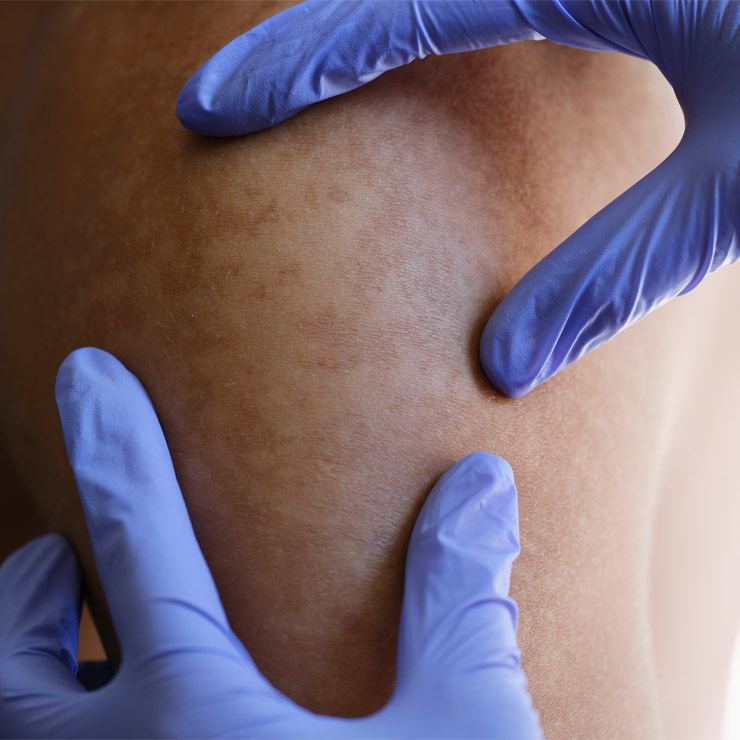
Doctor examining skin with white patches on patient's back, possible vitiligo.

What Causes Vitiligo?

It’s still unclear exactly what causes vitiligo. However, research shows that it is frequently associated with an autoimmune reaction, in which the skin’s pigment-producing cells, known as melanocytes, are mistakenly attacked and destroyed by the body’s immune system. White patches become apparent as a result of this damage.

High levels of stress, excessive sun exposure, genetic predisposition, or even specific viral triggers may be additional contributing factors. In certain instances, skin trauma or chemical exposure may also serve as triggers that hasten pigmentation loss. Scientists think that a mix of immunological, environmental, and genetic factors contribute to its onset.

In addition to the physical changes, vitiligo can have a profound emotional impact, frequently leading to social discomfort, anxiety, or depression in those who have it. Because of this, early consultation and expert advice are crucial for managing the condition’s psychological and physical effects.

Vitiligo Treatment

Although vitiligo cannot be completely cured, there are a number of treatments that can help control the condition and even out skin tone. Early treatment often yields better outcomes.

Although vitiligo is not fatal, it can have an impact on one’s emotional stability and self-esteem. Our clinic provides cutting-edge surgical options that enhance appearance and improve pigmentation, but they do not completely cure the disease.

Among our surgical methods are:

  • Punch Grafting – Small pigmented skin sections transplanted into affected areas.
  • Blister Roof Grafting – Upper layer of blistered skin used for repigmentation.
  • Split Thickness Skin Grafting – Thin pigmented layers applied to larger patches.
  • Melanocyte Transplantation – Direct transfer of pigment-producing cells.

Each treatment is tailored to ensure the best possible results for every patient.

Types of Vitiligo

Segmental (localized) and non-segmental (generalized) are the two main categories into which vitiligo is generally divided.

The most prevalent kind, generalized vitiligo, is characterized by large, symmetrical patches of depigment on both sides of the body. These blotches can appear gradually and cover large areas of the body or particular areas like the face, neck, scalp, and the area surrounding natural openings like the mouth and genitalia. High-friction areas like the hands, arms, and bony prominences, as well as mucous membranes like the lips, are frequently where the condition is most noticeable.

Localized Segmental Conversely, vitiligo typically affects one side of the body and is associated with skin regions that receive blood flow from the spinal cord’s dorsal roots. About 10% of patients get it, usually in adolescence, and it usually shows up as smaller, clearly defined patches.

While localized vitiligo typically manifests earlier in life, generalized vitiligo can start at any age. The WHO estimates that the majority of cases occur before the age of 40, with roughly half of those afflicted developing the condition before the age of 20.

In contrast to segmental vitiligo, which typically stays stable and does not spread, generalized vitiligo can progress very slowly in some people while spreading quickly in others.

Melanocyte Transplantation

One of the most cutting-edge and successful treatments for vitiligo is melanocyte transplantation, which provides excellent cosmetic outcomes with few to no adverse effects. It is a straightforward, safe outpatient procedure that enables simultaneous treatment of several areas.

Grafting skin cells onto the depigmented (white) areas is the procedure. Melanocytes, or pigment cells, are extracted from a thin layer of healthy skin, typically removed from the thighs, and then carefully transplanted onto the injured area. Melanocyte transplantation offers better cosmetic results and a more natural appearance than traditional surgical techniques like skin grafting.

This method has a number of benefits, including the ability to cover larger patches with a small donor area, the absence of scarring, the achievement of excellent cosmesis, and the ability to perform the procedure in an outpatient setting without the need for general anesthesia.

Early melanocyte transplantation treatment can significantly improve skin color and confidence if you or someone you know has vitiligo.

Frequently Asked Questions

Is Vitiligo contagious?

No, Vitiligo is not contagious. It cannot spread from one person to another through touch, contact, or sharing personal items.

Can Vitiligo be cured completely?

Currently, there is no permanent cure for Vitiligo. However, various treatments like topical therapies, light therapy, and surgical options can help restore skin colour and improve appearance.

What triggers Vitiligo to spread?

Factors such as stress, sunburn, hormonal changes, or skin trauma may contribute to the spread of Vitiligo patches, though it differs from person to person.

Does Vitiligo affect overall health?

Vitiligo does not harm physical health or reduce life expectancy. However, it can affect emotional well-being and self-confidence, making early treatment and support important.

Two fists with vitiligo skin condition showing depigmented patches, next to a frequently asked questions section about vitiligo.

Ready to Transform Your Skin & Hair?

Call Now Button