

With today’s beauty trends everyone wants to look young and have radiant skin. However, it’s important to select the proper ingredients for skincare.


In what ways do dermatologists’ suggested anti-aging skincare products enhance skin?
With today’s beauty trends everyone wants to look young and have radiant skin. However, it’s important to select the proper ingredients for skincare. Dermatologists around the world recommend several essential ingredients that increase collagen production, minimize wrinkles and improve the smoothness and brightness of skin.
This blog will examine the top five anti-aging skincare ingredients from the viewpoint of a dermatologist. To keep your skin looking young, it’s time to add these scientifically proven ingredients to your routine right now!
Table Of Contents:
| SL No. | Section Name |
| 1 | Retinoids |
| 2 | Niacinamide |
| 3 | Vitamin C |
| 4 | Peptides |
| 5 | Hyaluronic Acid |
| 6 | How Do These Ingredients Work Together? |
| 7 | Common Mistakes to Avoid When Using Anti-Aging Ingredients |
| 8 | FAQ |
Retinoids
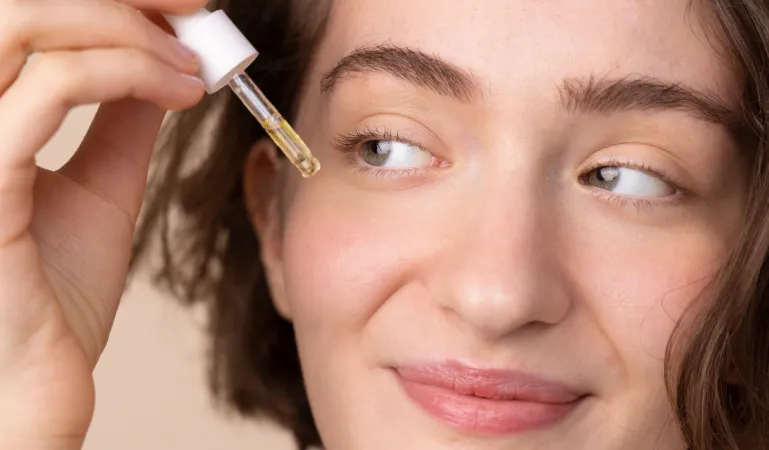
One of the most potent and reliable components of anti-aging skincare products is retinoids. They improve the turnover of skin cells and are referred to as vitamin A derivatives. Our skin loses elastin and collagen as we age, which can cause obvious changes like wrinkles, dark spots, and fine lines. Using retinoids has several important advantages, such as the following.
- Increases the production of collagen making the skin fuller and firmer.
- Stress-induced wrinkles and fine lines are also minimized.
- Makes dark areas and sunspots less noticeable.
- Makes the skin look softer, smoother and brighter.
- Because they are more vulnerable to sun damage, dermatologists typically advise using retinoids as a night serum or cream.
- Particularly for people with sensitive or delicate skin, start with a small amount and observe how your skin adapts.
Niacinamide

Vitamin B3, or niacinamide, is an essential component of skincare products. Dermatologists suggest it for anti-aging purposes, like increased elasticity and protection of aging skin. The main advantages:
- Fortifies the skin’s many layers to fend off external threats.
- Suitable for sensitive skin, it lessens inflammation, redness and flare.
- Brightens skin and minimizes sunspots and dark spots.
- Makes skin feel supple and soft.
Vitamin C
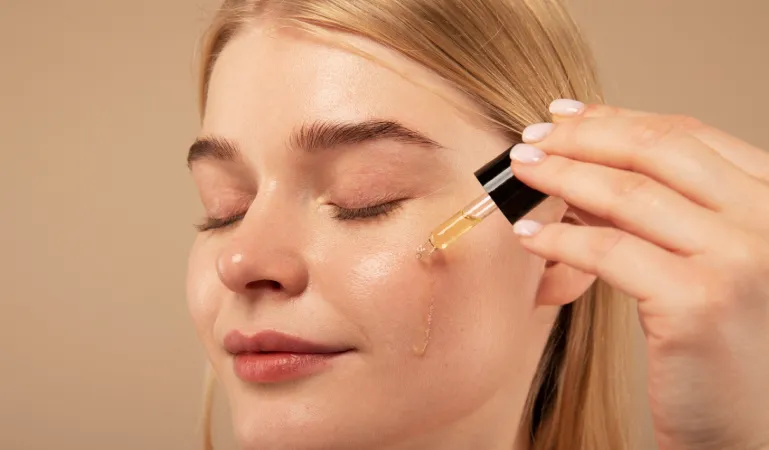
Strong antioxidants like vitamin C shield the skin from the damaging effects of sunlight, pollution and free radicals. This ingredient is recommended by dermatologists as a successful treatment for dullness, wrinkles and pigmentation problems. Principal advantages.
- Makes skin firmer and more even by aiding in the production of collagen.
- Diminishes the visibility of dark patches and sunspots.
- Protection from environmental aggressors is provided by antioxidants.
- Makes skin appear youthful and lively even as it ages.
Peptides
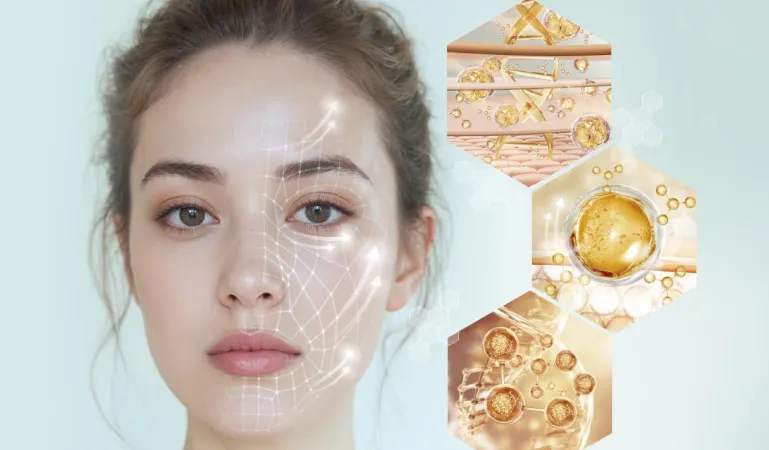
Peptides are tiny proteins composed of small amino acids that increase the skin’s firmness and elasticity by promoting the production of collagen. Dermatologists advise using peptide-containing products to lessen wrinkles, sagging skin and other signs of aging. Main advantages:
- Produces more collagen and elastin, giving the appearance of firmer, plumper and younger skin.
- Small facial wrinkles and fine lines are less noticeable.
- The skin feels softer, smoother and more radiant.
- Strengthens the skin's defence against environmental aggressors.
Hyaluronic Acid
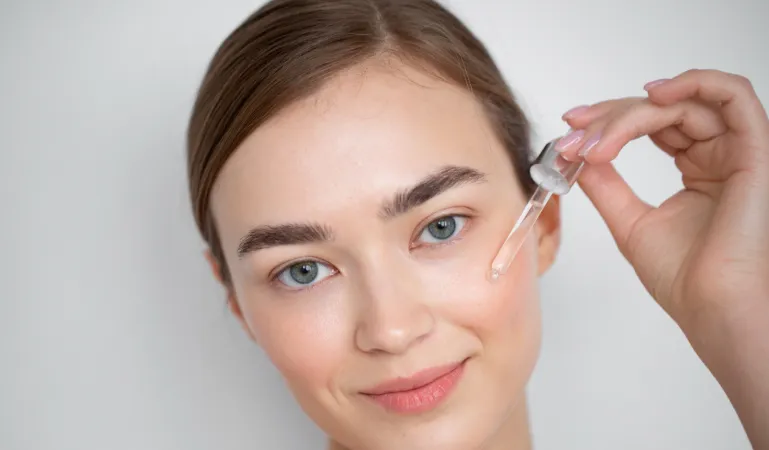
A potent hydrating component that aids in drawing and holding onto water in the skin is hyaluronic acid. Hyaluronic acid helps restore radiance, suppleness and a more even complexion to aging skin as wrinkles, sagging and skin damage increase. Main advantages:
- Skin appears smoother, softer and plumper.
- The appearance of fine lines is lessened by less damaged skin.
- Skin appears plumper and more radiant.
- Strengthening the skin's barrier function to fend off environmental aggressors is known as barrier enhancement.
How Do These Ingredients Work Together?
Combining the five essential components of anti-aging skincare—retinoids, niacinamide, vitamin C, peptides, and hyaluronic acid – is a scientifically proven method to optimize skin benefits. Different skin concerns are addressed by each ingredient in a different way.
- Retinoids decrease wrinkles and fine lines by increasing the production of collagen.
- Niacinamide brightens and smoothes the skin, controls pigmentation and fortifies the skin's barrier.
- Vitamin C produces collagen, protects against free radical damage and lessens the appearance of fine lines.
- By promoting the synthesis of collagen and elastin peptides, improve the firmness and density of skin.
- Hyaluronic acid keeps skin hydrated, minimizes fine lines and leaves the skin looking smooth and glowing overall.
Common Mistakes to Avoid When Using Anti-Aging Ingredients
- Overuse of active ingredients such as vitamin C and retinoids can result in redness, wrinkles and skin symptoms.
- When combined certain ingredients could result in skin reactions. For instance, taking vitamin C and retinoids together too soon can result in sensitivity.
- When substances like vitamin C and retinoids are exposed to sunlight, their efficacy will diminish and skin damage may result.
- To achieve the desired effect each ingredient's dosage and focus must be accurate.
- Excessive amounts will lead to skin issues while insufficient amounts will lessen their efficacy.
- To give the skin time to adjust, start with a small dose and make gentle daily adjustments when using ingredients like retinoids.
Other than these skincare ingredients you can also go for advanced anti-aging treatment options like Skin Tightening.
FAQ
How long must you take retinoids before you see results?
Skin rejuvenation and a decrease in wrinkles and fine lines usually occur after 8–12 weeks of consistent use.
Can all skin types use niacinamide?
Safe for sensitive skin types in general. Patch testing is advised though before attempting a new product.
When should I use vitamin C?
Applying a serum first thing in the morning after washing your face is ideal. To shield oneself from sunlight, apply sunscreen.
What is the skin's reaction to peptides?
Small chains of amino acids increase the skin’s elasticity and firmness by promoting the synthesis of collagen and elastin.
What should you watch out for when using hyaluronic acid?
To maintain cool and soft skin, apply serum after daily cleansing. When mixing with other active ingredients heed the advice of your dermatologist.
Book an Appointment
It’s easy and free!