


Waking up to a pillow covered in hair is a gut punch. You look in the mirror, move your part, and realise things look… different.


Waking up to a pillow covered in hair is a gut punch. You look in the mirror, move your part, and realize things look… different. It’s a quiet panic that millions of people feel every day. The good news? You aren’t losing it—at least, not without a reason. Understanding hair loss is the first step toward taking control.
It isn’t just about “getting old” or bad luck. It’s a biological puzzle involving genetics, hormones, and lifestyle. Let’s strip away the medical jargon and look at what’s actually going on with your scalp.
Table Of Contents:
| SL No. | Section Name |
| 1 | What Are the Main Types of Hair Loss? |
| 2 | Why Is My Hair Falling Out? |
| 3 | Can You Actually Stop Hair Loss? |
| 5 | Final Thoughts |
| 6 | FAQ |
What Are the Main Types of Hair Loss?
The short answer? It depends on the pattern. Most people fall into a few specific categories that experts see daily.
Androgenetic alopecia is the most common. You might know it as male or female pattern baldness. In men, it usually starts with a receding hairline or a thinning crown. In women, it’s more of a general thinning across the top of the head. This situation is genetic—your hair follicles are essentially programmed to shrink over time.
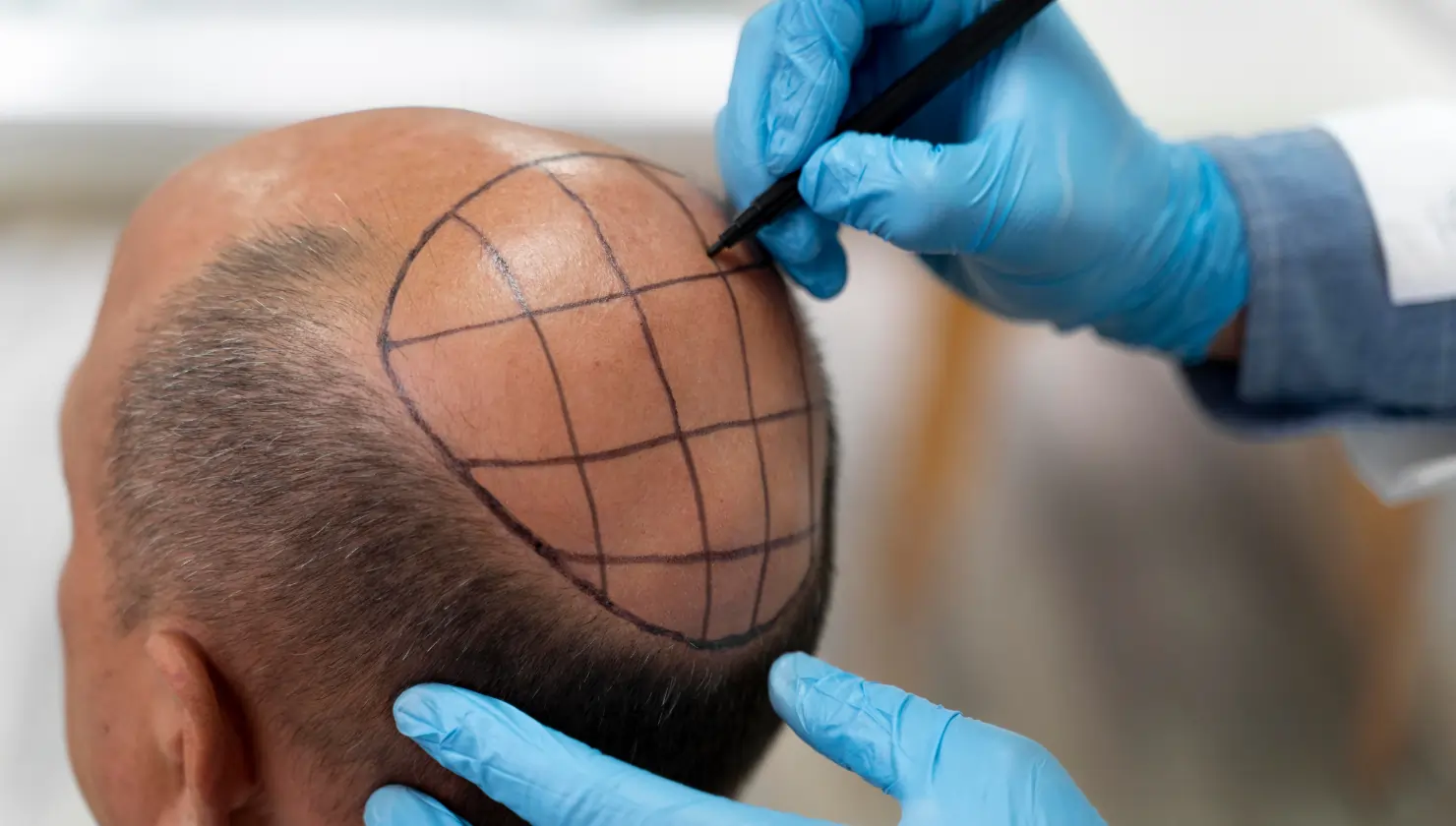
For areas where the thinning has become permanent, many people look into hair grafting to restore density. It’s a process where healthy follicles are moved to the areas that need them most. It’s your own hair, just redistributed.
Then there is telogen effluvium. This isn’t permanent. It’s a “shock to the system” hair fall. Think of it as your body hitting the pause button on hair growth because of a major stressor like surgery, childbirth, or extreme dieting. Your hair enters the resting phase all at once and sheds a few months later.
Why Is My Hair Falling Out?
If you aren’t dealing with genetics, the culprit is usually hidden in your lifestyle or health. Hormonal shifts are a common trigger. For many, a change in thyroid function or a shift in androgen levels can send the hair growth cycle into a tailspin.
Nutrition is another huge factor. Your hair is essentially a non-essential luxury to your body. If you’re low on iron, protein, or vitamin D, your body will divert those nutrients to your heart and lungs, leaving your follicles starving. This leads to alopecia symptoms like thinning or brittle strands that break easily.
Can You Actually Stop Hair Loss?
Yes, but you have to act early. The “Answer First” rule? Catching it before the follicle completely stops functioning is key.
Initial solutions often start with managing the basics. Improving your diet, reducing scalp inflammation, and managing cortisol levels can stabilize things. For some, topical treatments help boost blood flow to the scalp. However, if the loss is advanced or genetic, standard lifestyle changes might not be enough to reverse the visible thinning.
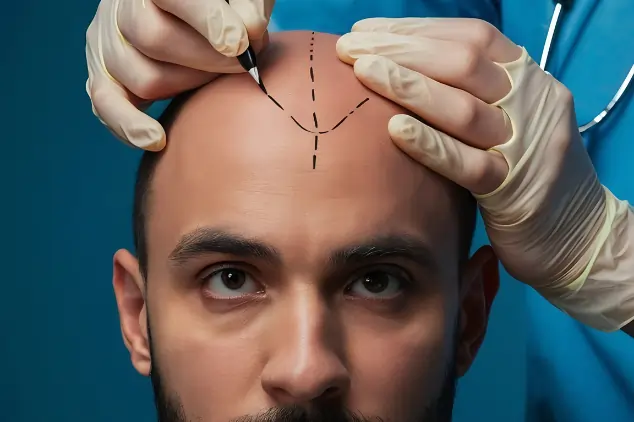
For permanent areas where the hair has stopped growing entirely, hair grafting is a common clinical solution. It’s a process where healthy follicles are moved to thinning areas. It’s your own hair, just redistributed to where you need it most.
Final Thoughts
Hair loss is deeply personal, but it doesn’t have to be permanent. Whether it’s a temporary shed or a genetic shift, the faster you understand the root cause, the more options you have. Knowledge is the difference between worrying and acting.
If you’re tired of guessing which supplement or shampoo might work, it might be time for a professional look. At Dr Thaj Laser Skin & Hair Clinic, we help you move past the guesswork with precise diagnostics.
FAQ
Is it normal to lose hair every day?
Totally. Most of us drop 50 to 100 strands a day. If you’re seeing clumps in the drain or your ponytail feels half as thick as it used to, that’s when it’s worth investigating.
Does wearing a hat cause balding?
The short answer? No. Unless your hat is so tight it’s literally pulling the hair out by the roots (traction alopecia), your favorite cap isn’t the problem.
Can stress really make my hair fall out?
Yes, but usually with a delay. High stress can push hair into a “resting” phase. You might not see the shedding until three months after the stressful event happened.
Will my hair grow back on its own?
If it’s caused by stress or a temporary illness, usually yes. If it’s male or female pattern baldness, it likely won’t grow back without targeted medical intervention.
Book an Appointment
It’s easy and free!